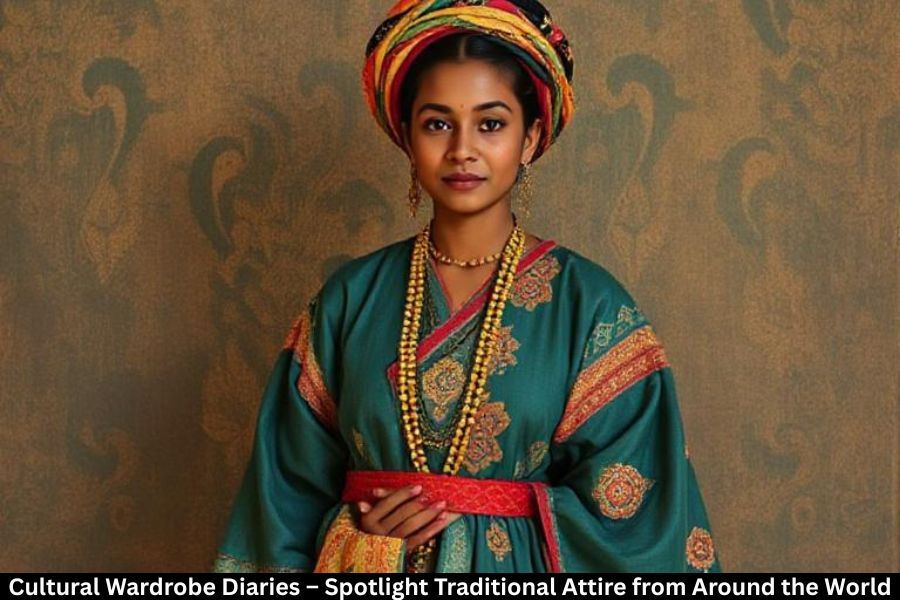
Have you ever looked at an outfit and instantly guessed where it’s from? That’s the magic of traditional attire. Clothing isn’t just fabric stitched together — it’s history you can wear. It’s identity in motion. It’s a silent storyteller.
Why Clothing Reflects Culture
Clothes mirror society. They show climate, beliefs, traditions, and social roles. In colder regions, garments are layered and heavy. In tropical areas, fabrics breathe and flow. Fashion isn’t random — it’s shaped by geography and heritage.
The Stories Woven into Fabric
Every stitch carries meaning. Embroidery patterns often symbolize protection, prosperity, or love. Colors may represent celebration, mourning, or royalty. When you wear traditional attire, you’re not just dressing up — you’re carrying centuries of culture on your shoulders.
Traditional Attire from Asia
Asia is vast, diverse, and culturally rich. Its traditional fashion reflects that depth beautifully.
The Grace of the Indian Saree
The Saree is one of the oldest surviving garments in the world. It’s a long piece of fabric, typically five to nine yards, draped elegantly around the body. No stitching required — just skillful draping.
Regional Variations of the Saree
From Banarasi silk in North India to Kanjeevaram in the South, each region offers unique weaving styles, fabrics, and motifs. Some are heavy and bridal-ready. Others are light and perfect for everyday wear.
The Elegance of the Japanese Kimono
The Kimono is simplicity and sophistication wrapped into one. With its straight seams and wide sleeves, it embodies harmony and balance. Patterns often change with seasons — cherry blossoms in spring, maple leaves in autumn.
The Vibrance of the Korean Hanbok
The Hanbok is bright, flowing, and symbolic. The high-waisted skirt and short jacket create a graceful silhouette. Traditionally worn during festivals and weddings, it represents joy and prosperity.
Traditional Attire from Africa
Africa’s fashion scene is bold, colorful, and deeply expressive.
The Bold Prints of Ankara
Ankara fabric is known for its vibrant patterns and striking color combinations. Each print often carries a message or proverb. It’s more than style — it’s communication.
The Majesty of the Moroccan Kaftan
The Kaftan flows like royalty. Worn during celebrations and weddings, it features intricate embroidery and luxurious fabrics.
Embroidery and Craftsmanship
Moroccan artisans spend months perfecting delicate hand embroidery. It’s not fast fashion — it’s slow, intentional artistry.
Traditional Attire from Europe
European traditional clothing often ties closely to regional pride and folklore.
The Scottish Kilt
The Kilt represents clan heritage. Each tartan pattern signifies a specific family lineage. It’s not just a skirt — it’s a badge of identity.
The Spanish Flamenco Dress
The Flamenco dress is dramatic and passionate, just like the dance it accompanies. Ruffles, polka dots, and bold reds dominate the look.
Symbolism in Colors and Patterns
Red often symbolizes passion and strength. Black can represent elegance or mystery. Every detail is intentional.
Traditional Attire from the Middle East
Modesty and elegance often define Middle Eastern fashion.
The Abaya and Thobe
The Abaya is a flowing black robe worn by many women across the Gulf region. The Thobe is its male counterpart — long, crisp, and dignified.
Cultural Significance and Modern Adaptations
Modern designers now add embroidery, colors, and tailored cuts, blending tradition with contemporary fashion trends.
Traditional Attire from the Americas
The Americas hold powerful indigenous and colonial fashion histories.
The Mexican Huipil
The Huipil is handwoven and richly embroidered. Patterns often indicate the wearer’s village or marital status.
Native American Regalia
Traditional regalia worn by Native American tribes is deeply ceremonial. Feathers, beads, and leatherwork symbolize spirituality, bravery, and tribal identity.
Traditional Attire from Oceania
Island cultures celebrate nature through clothing.
The Maori Korowai Cloak
The Korowai is a sacred woven cloak adorned with feathers. It symbolizes leadership and honor.
Pacific Island Grass Skirts
Grass skirts, often worn during traditional dances, reflect island resources and craftsmanship. They move rhythmically with the body — almost like the ocean waves they originate from.
The Evolution of Traditional Fashion
Blending Heritage with Modern Trends
Designers worldwide now merge traditional textiles with contemporary cuts. Imagine a saree-inspired gown or a kimono-style jacket paired with jeans. Heritage meets runway.
Globalization and Cultural Exchange
While globalization spreads styles across borders, it also raises questions about cultural appreciation versus appropriation. Respect and understanding matter.
Why Preserving Traditional Attire Matters
Identity and Pride
Traditional clothing connects people to their roots. It reminds them where they come from — like a wearable family tree.
Sustainable Fashion Roots
Many traditional garments are handmade, durable, and designed to last generations. That’s sustainability before it became a buzzword.
Conclusion
Traditional attire is more than clothing. It’s culture stitched into form. It’s pride worn openly. From the flowing saree to the structured kilt, from vibrant Ankara prints to delicate kimonos, each piece tells a powerful story.
In a world racing toward fast fashion, maybe it’s time we slow down — and listen to what our clothes are saying.
FAQs
1. Why is traditional attire important today?
It preserves cultural heritage and strengthens identity in a rapidly globalizing world.
2. Can traditional clothing be worn daily?
Yes. Many cultures adapt traditional garments for modern, everyday use.
3. What is the difference between appreciation and appropriation?
Appreciation respects and understands cultural significance, while appropriation ignores context and meaning.
4. Are traditional garments sustainable?
Most are handmade, durable, and designed for long-term use, making them inherently sustainable.
5. How can younger generations stay connected to traditional fashion?
By learning the history behind garments, supporting local artisans, and incorporating heritage pieces into modern outfits.