Let’s be honest — how many times have you changed your outfit before stepping out because “it just didn’t feel right”? That feeling isn’t shallow. It’s psychological.
Clothes aren’t just pieces of fabric. They’re emotional armor. They’re mood enhancers. They’re silent affirmations stitched into cotton and silk.
Why What We Wear Matters
The moment you put something on, it changes how you carry yourself. Shoulders back. Chin up. Or maybe the opposite — slouched, hidden, invisible.
Your outfit talks to your brain before it talks to anyone else.
The Psychology Behind Clothing
Psychologists have long studied how clothing affects perception — not just how others see us, but how we see ourselves. This concept is often referred to as enclothed cognition, and it’s more powerful than most people realize.
Understanding Enclothed Cognition
What Is Enclothed Cognition?
Enclothed cognition is the idea that clothing influences your psychological processes. Simply put: what you wear affects how you think and behave.
Put on a blazer, and suddenly you feel sharper. Slip into pajamas at 2 PM, and your productivity quietly disappears.
Coincidence? Not really.
How Clothing Influences Behavior
When you dress intentionally, you send your brain a signal: I’m ready. Ready for work. Ready for connection. Ready for the day.
It’s like flipping a mental switch.
Dressing Up as a Daily Ritual
Self-care isn’t always bubble baths and candles. Sometimes it’s choosing an outfit that makes you feel alive.
Creating Structure in Your Day
Getting dressed — even if you’re working from home — creates psychological structure. It separates rest from responsibility.
Think of it like setting the stage before a performance. You wouldn’t perform without preparation, right?
The Power of Small Wins
Making your bed. Brushing your hair. Choosing clothes thoughtfully.
Small actions build momentum. And momentum builds motivation.
Boosting Confidence Through Style
Confidence isn’t something you wait for. Sometimes, you wear it.
Wearing Clothes That Reflect Your Identity
Your style is your visual autobiography. Minimalist? Bold? Vintage lover? Athleisure queen?
When your clothing matches who you are, you feel aligned. And alignment feels powerful.
The Confidence-Performance Connection
Studies consistently show that when people feel confident in their appearance, their performance improves — whether at work, in social settings, or during presentations.
It’s not vanity. It’s psychology.
Color Psychology in Fashion
Ever notice how black feels powerful, while yellow feels energetic?
How Colors Affect Mood
- Red can stimulate energy.
- Blue promotes calmness.
- Green often feels grounding.
- Black conveys authority.
Colors whisper to your subconscious.
Choosing Colors Intentionally
Bad day? Try wearing something bright. Important meeting? Go with structured neutrals.
You’re not just dressing your body — you’re influencing your emotional state.
Fashion During Tough Times
When life feels heavy, getting dressed can feel impossible.
Dressing Up During Depression or Anxiety
During difficult mental health phases, even small acts of care matter. Changing out of sleepwear can be a subtle act of reclaiming control.
It’s not about impressing anyone. It’s about reminding yourself that you matter.
Reclaiming Control Through Appearance
You can’t always control circumstances. But you can choose your outfit.
That choice — small as it seems — restores a sense of agency.
Comfort vs. Style – Finding Balance
Comfort matters. Especially in stressful times.
The Rise of Comfort Dressing
After global shifts toward remote work, comfort fashion exploded. Soft fabrics, relaxed fits, breathable materials.
And honestly? That’s okay.
When Comfort Becomes Avoidance
But here’s the catch — sometimes comfort becomes hiding. If oversized hoodies become your emotional shield, it may be worth asking why.
Balance is key.
Social Connection and Self-Expression
Fashion is a language.
Fashion as Communication
Before you speak, your clothes introduce you. They signal personality, mood, and values.
Your outfit can say “creative,” “professional,” “rebellious,” or “approachable” — all without words.
Belonging and Community
Shared style builds connection. Think of subcultures — vintage lovers, sneakerheads, minimalist wardrobes.
Clothing can create a sense of belonging.
Building a Self-Care Wardrobe
You don’t need more clothes. You need better-feeling ones.
Decluttering for Mental Clarity
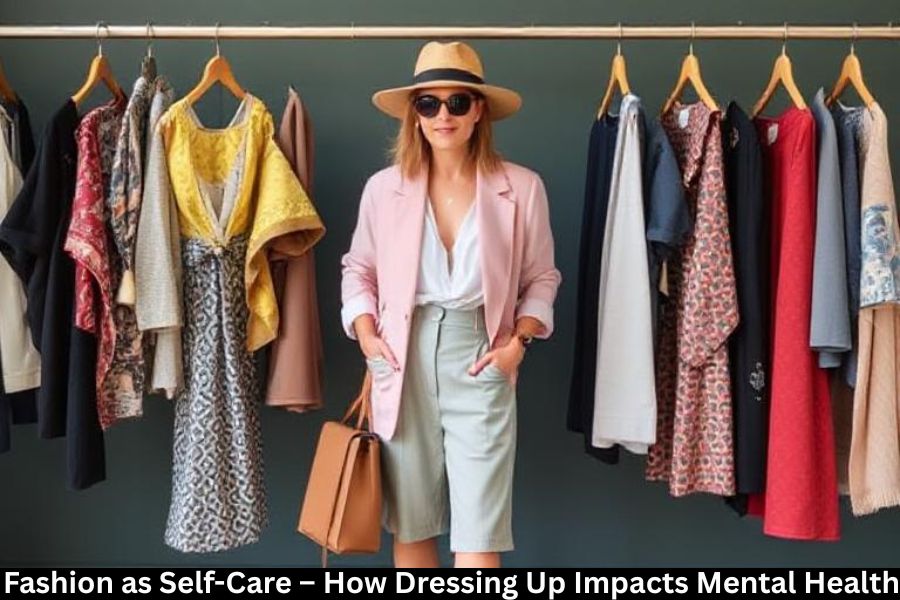
A crowded closet can feel overwhelming. Remove what doesn’t fit — physically or emotionally.
If an item makes you feel insecure, it’s not serving you.
Investing in Feel-Good Pieces
Keep pieces that:
- Fit well
- Feel comfortable
- Align with your personality
- Make you smile
That’s your emotional toolkit.
The Dark Side of Fashion Pressure
Let’s address it.
Social Media Comparison
Scrolling through curated feeds can distort reality. It creates unrealistic expectations about appearance and trends.
Remember: social media is highlight reels, not everyday life.
Breaking Free from Trends
You don’t have to chase every trend. True style isn’t about fitting in — it’s about feeling right in your own skin.
Practical Tips to Use Fashion as Therapy
Ready to turn fashion into a self-care strategy?
The 5-Minute Mood Boost Trick
Choose one statement piece — bold earrings, a bright scarf, structured blazer. Wear it intentionally.
Small effort. Big emotional shift.
Outfit Planning for Emotional Resilience
Plan outfits the night before. It reduces morning stress and creates intention.
Treat your wardrobe like a support system.
Conclusion
Fashion as self-care isn’t superficial. It’s psychological. It’s emotional. It’s deeply personal.
Dressing up can lift your mood, strengthen your identity, and give you control when everything else feels uncertain.
Your wardrobe isn’t just storage space. It’s a toolkit for resilience.
So tomorrow morning, when you stand in front of your closet, ask yourself:
What do I need to feel today?
Then dress for it.
FAQs
1. Can fashion really improve mental health?
Yes. Intentional dressing can boost confidence, structure your day, and influence mood through psychological effects.
2. Is dressing up necessary when working from home?
It helps create separation between rest and productivity, improving focus and emotional balance.
3. What if I don’t care about fashion?
You don’t need to follow trends. Self-care fashion is about feeling comfortable and confident, not stylish by others’ standards.
4. How can I use color to improve my mood?
Choose colors that align with your emotional goals — calming tones for stress, vibrant shades for energy.
5. Can too much focus on fashion harm mental health?
Yes. Obsessing over trends or comparison can increase anxiety. Balance and self-awareness are essential.